The Structural Difference Between HPL and Compact Laminate Sheets
When drafting a comprehensive bill of quantities (BOQ) for any major commercial, institutional, or high-end residential layout in Pakistan, making a casual assumption about surface materials can be an incredibly costly mistake. Two terms that are frequently mixed up, misused, and substituted by local contractors, interior designers, and procurement officers are standard decorative HPL sheets and solid compact laminate board variations.
While both of these architectural surfaces share a related chemical foundation—relying on layered papers and synthetic resins cured under high pressure—their structural capabilities, thickness tolerances, design applications, and overall impact on project lifecycle costs are completely different. For any project management team tracking an HPL sheet price in Pakistan or attempting to optimize materials for a heavy-use corporate environment, understanding the fundamental, technical difference between HPL and compact laminate is absolute insurance against early material failures, delamination, and bloated maintenance budgets.
1. What are Decorative HPL Sheets? (The Lightweight Skin)
High-pressure laminate, universally looked up across regional markets as decorative HPL sheets or simply laminate sheets in Pakistan, is fundamentally engineered as a high-durability decorative skin rather than a structural building block. In the manufacturing plant, this material is constructed using a sheet of raw decorative paper printed with specific aesthetics, topped with a transparent, wear-resistant protective overlay, and backed by a few layers of foundational kraft paper saturated with phenolic resins. This entire sandwich is pressed at temperatures reaching roughly 150°C and compressed under an immense force of more than 1,000 PSI.
The resulting product is a highly dense, resilient sheet that typically ranges from a thin 0.7mm to a maximum of 1.0mm in thickness. Because it lacks structural thickness, it cannot stand on its own or bear any physical loads. It must be permanently cold-pressed or bonded using heavy-duty industrial adhesives onto a rigid, thick foundational substrate before it can be cut, handled, or fabricated into furniture.
Ideal Local Applications:
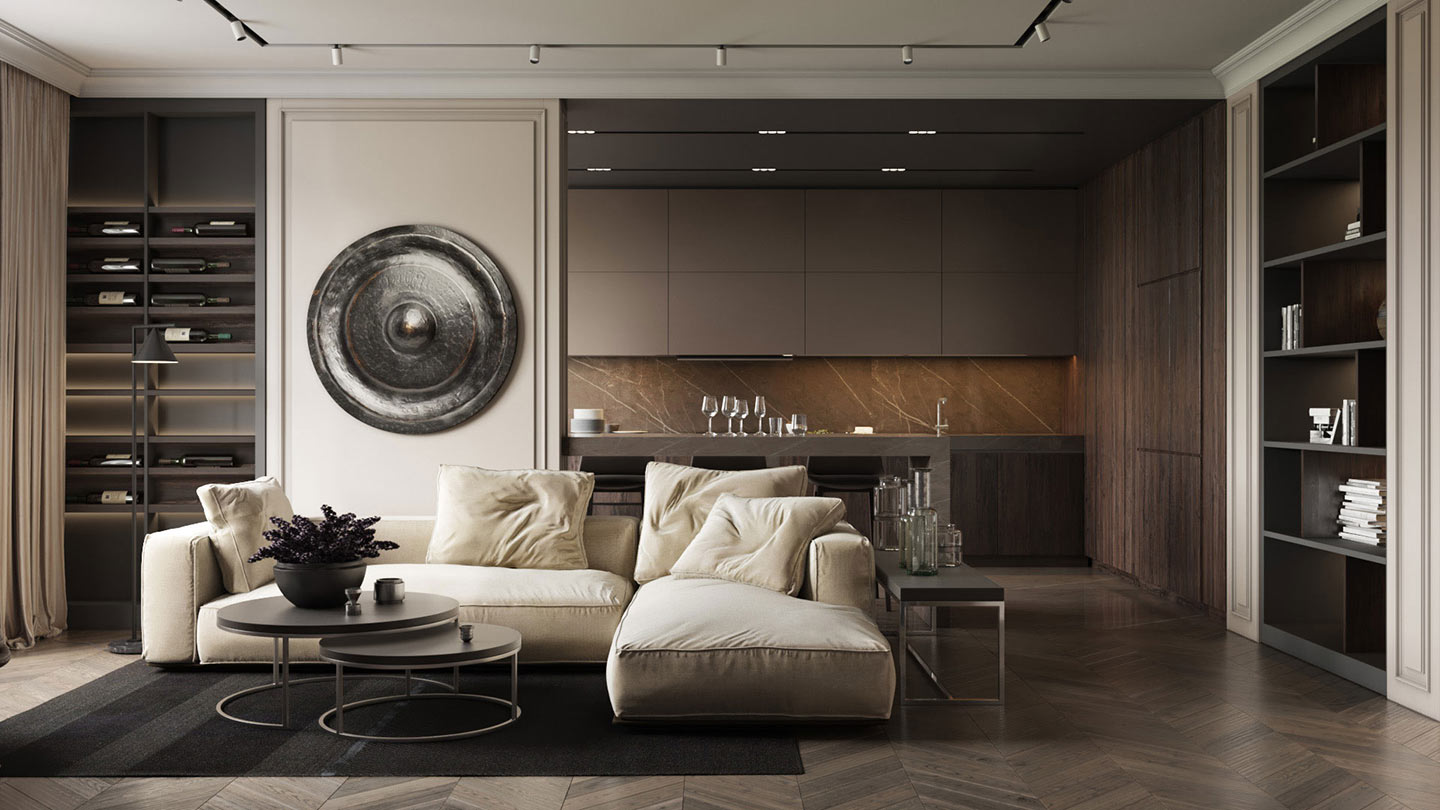
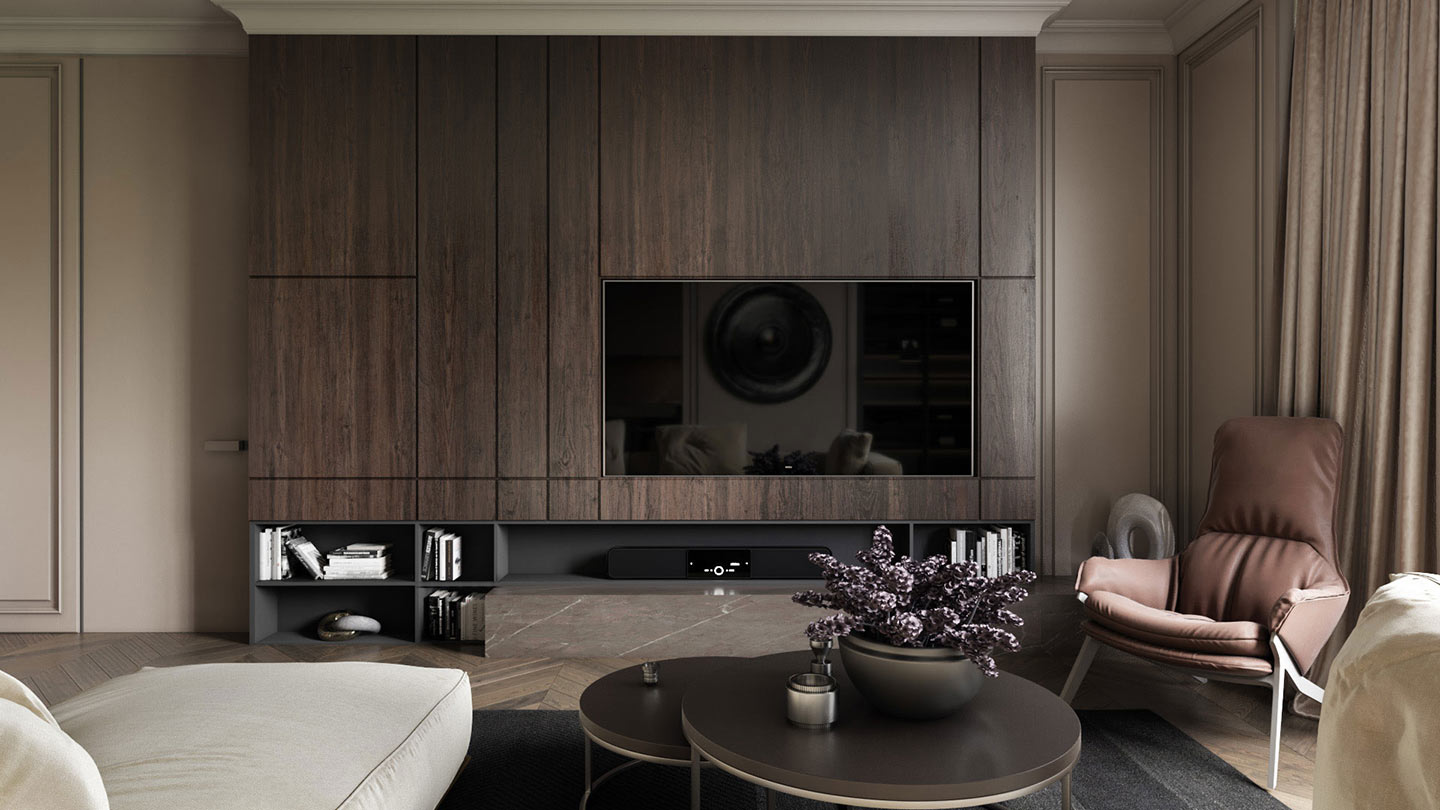
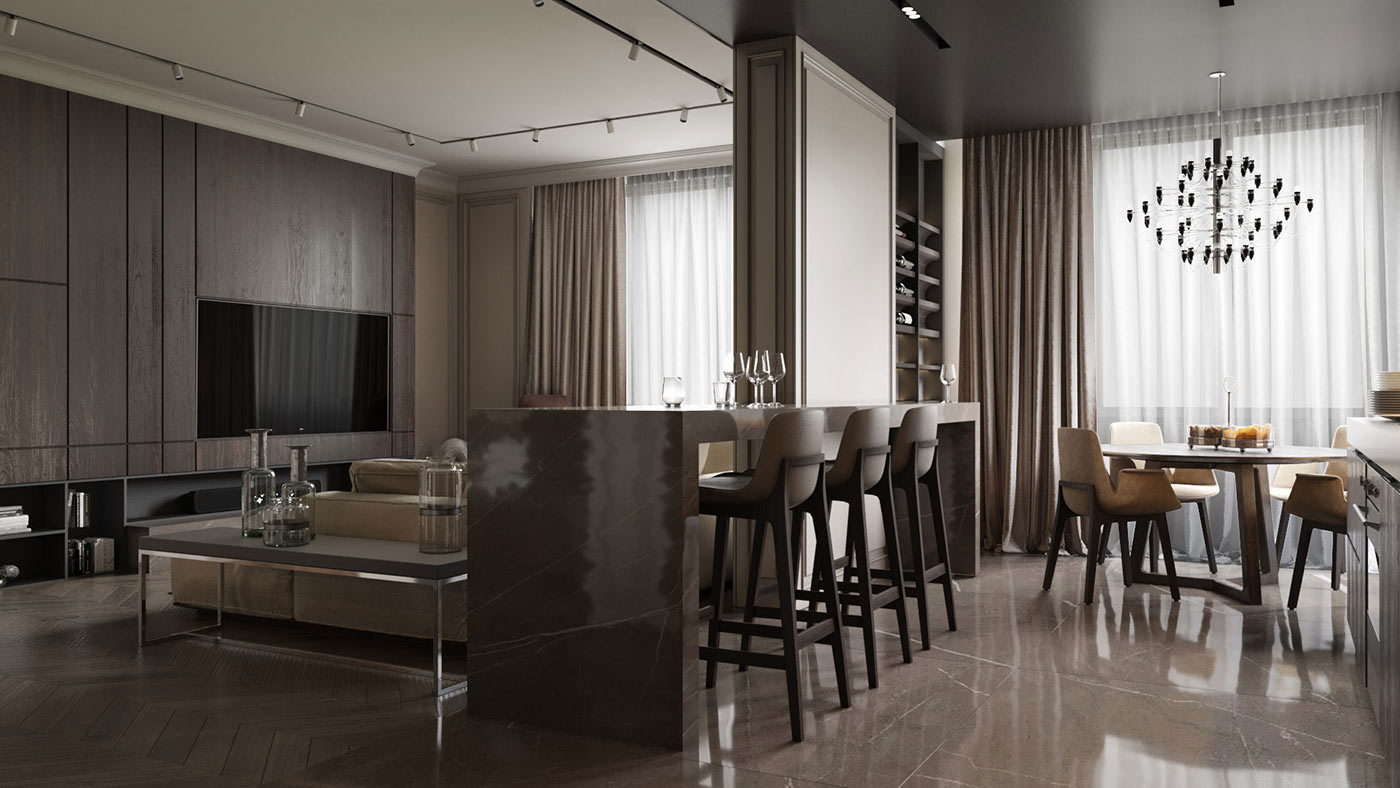
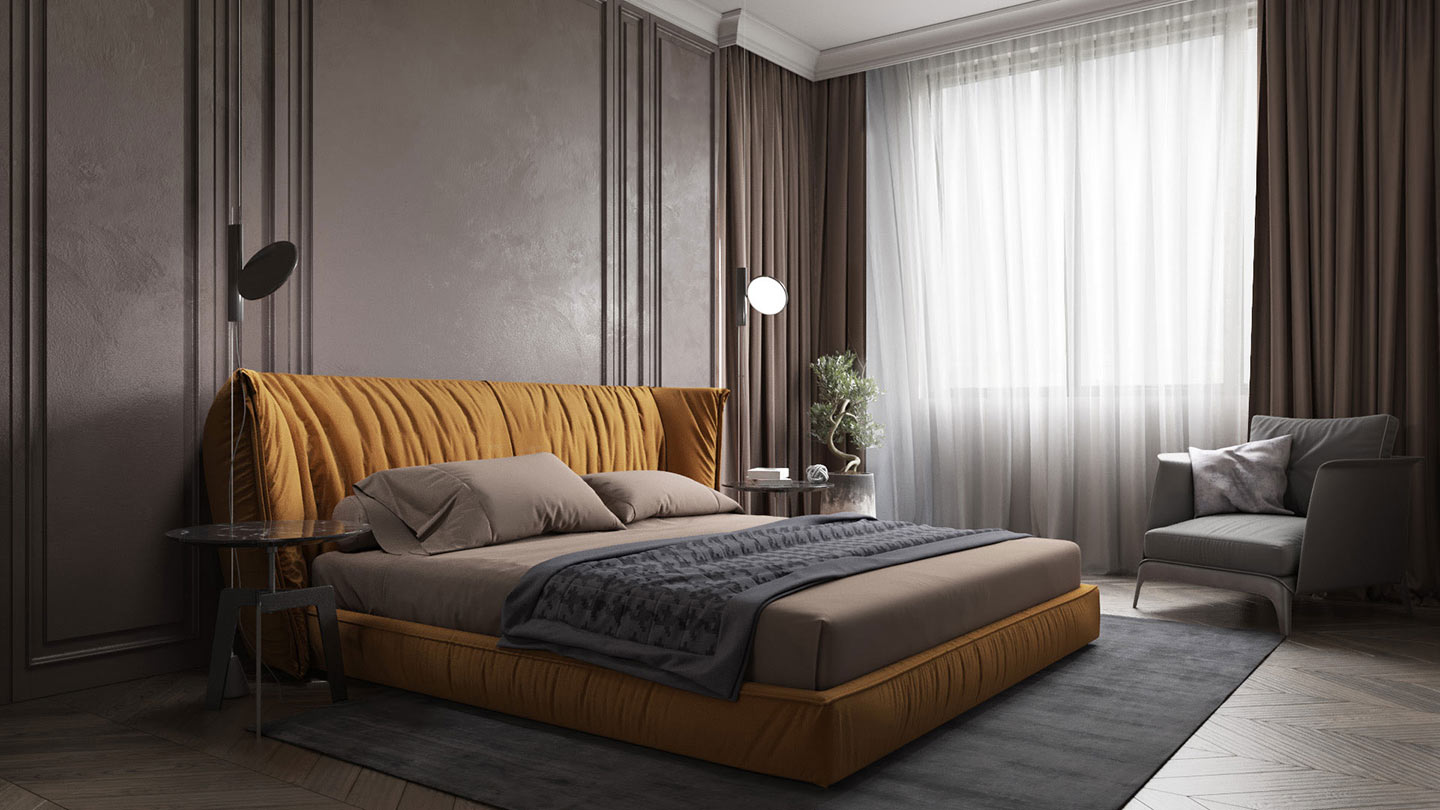
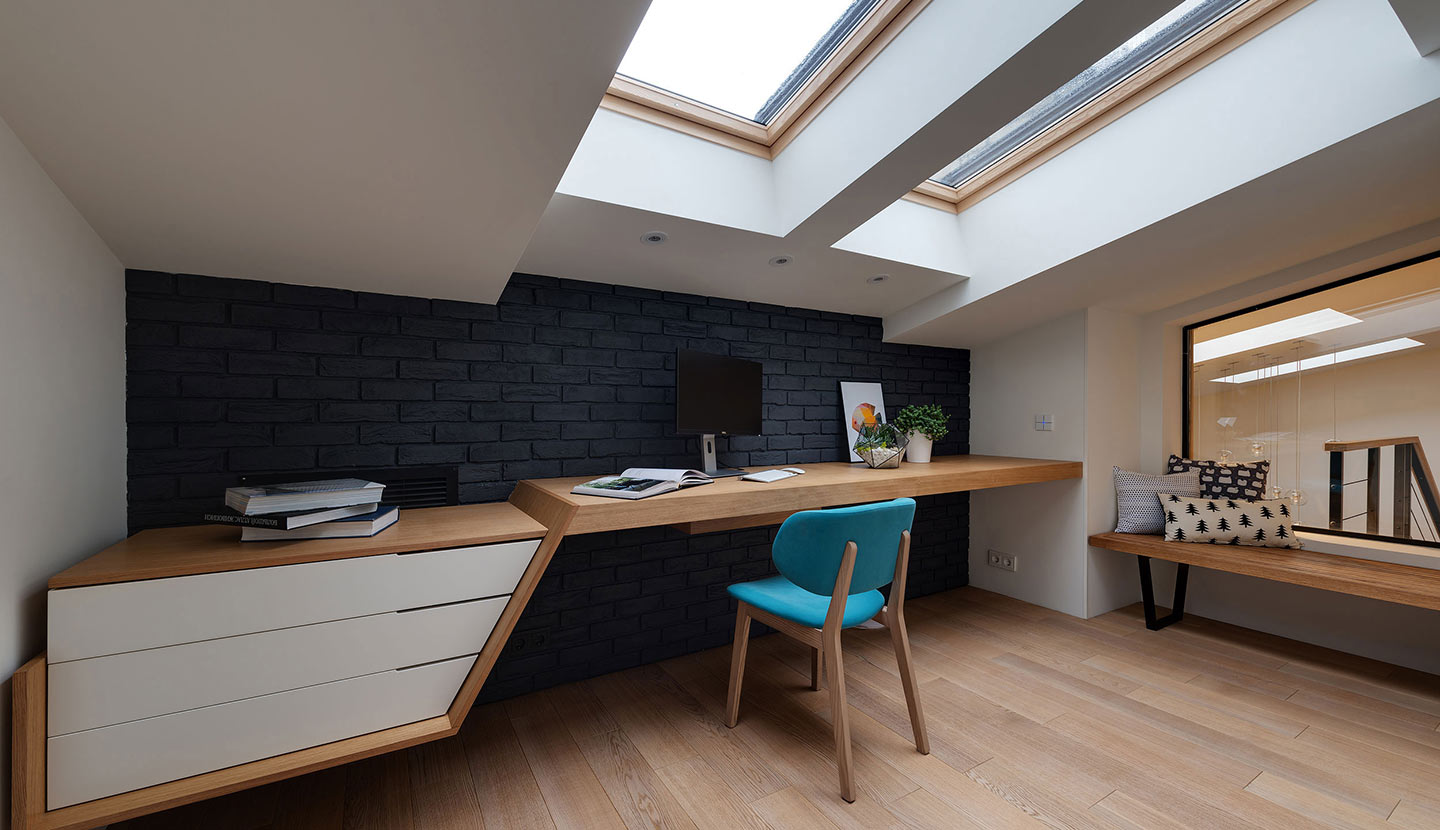
In the Pakistani building sector, decorative HPL is the premier selection for finishing internal vertical and light-duty horizontal fixtures where the underlying structural core is completely protected from extreme humidity and standing water. It is heavily specified for high-end corporate reception desks, commercial workstations, bedroom wardrobes, panelled accent walls, and custom office partition board installations. Furthermore, it is highly popular for manufacturing modern kitchen cabinet laminate sheet components, where the focus is on achieving a premium aesthetic that can easily withstand regular wiping and grease exposure.
Key Visual and Architectural Advantages:
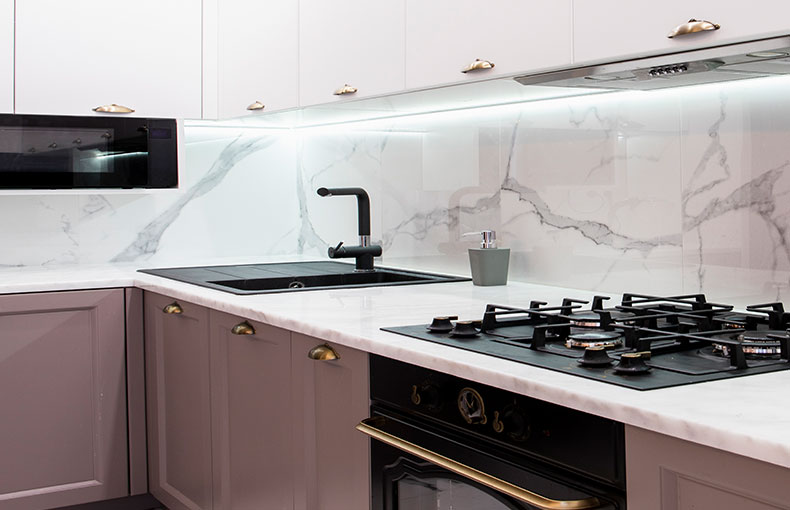
The primary reason architects source standard HPL from a premium laminate sheets supplier in Pakistan is the sheer scale of the available design library. Because the design is derived from a printed decorative paper layer, Phenolic can offer over 200 distinct variations. This spans deep, rich wood grain laminate Pakistan collections, premium tactile matt finish HPL options like Ace Supreme (featuring thermal healing properties), ultra-sleek high gloss laminate sheet styles, and highly realistic marble finish laminate textures that deliver the luxury look of natural stone without the weight or maintenance vulnerabilities.
2. What is a Compact Laminate Board? (The Self-Supporting Powerhouse)
When an architectural plan demands a material that can survive extreme physical punishment without any wooden reinforcement, standard HPL skins must step aside for a heavy-duty compact laminate board. Known within the commercial trade as a solid phenolic compact board Pakistan specifiers rely on, this material is a completely self-supporting, thick structural panel that completely eliminates the need for an underlying substrate or edge-banding.
The manufacturing process of a compact board mirrors the high-heat, high-pressure science of traditional HPL, but it scales up the volume of core materials massively. Instead of a few layers of backing paper, dozens of layers of high-grade raw kraft paper are thoroughly saturated with tough phenolic resins, stacked together, covered on both sides with decorative design sheets, and consolidated under intense conditions exceeding 150°C and 1,000 PSI.
This rigorous thermal press process triggers an irreversible chemical reaction called polymerization, fusing the independent sheets into one completely dense, solid homogeneous unit. The resulting board generally ranges from 2mm up to an ultra-dense 25mm in thickness, featuring a signature solid, dark black phenolic core.
Ideal Local Applications:
Because it is a solid panel that completely resists water, impact, and chemical degradation, compact laminate is written into BOQs for the absolute harshest environments in a building. It is the undisputed industry benchmark for constructing high-traffic toilet cubicle partition Pakistan systems, public gym lockers, and moisture-prone shower dividers. Its exceptional resistance to aggressive sterilization agents makes it the required surface for hospital operating theatres, sterile corridor wall paneling, and heavy-duty lab furniture laminate worktops across educational and medical research institutions.
Key Technical and Structural Advantages:
The standout advantage of specifying a solid compact laminate board is its structural freedom. Because it is 100% waterproof, it can be exposed to running water, steam, and constant wet mopping without any risk of swelling, splitting, or rotting at the seams. Its high density (exceeding 1,000 kg/m³) provides immense screw-holding strength and extreme shock resistance.
Furthermore, because the dark core is uniform all the way through, fabricators do not need to apply PVC edge-bands; the exposed edges can simply be chamfered, profiled, or polished with standard CNC machinery, allowing for minimalist, modern lines and intricate custom joinery cuts.
3. Avoiding Common Specification Mistakes in the Pakistan Market
In Pakistan’s commercial building landscape, budget friction often leads contractors to try and save costs by substituting specified materials with cheaper alternatives. Understanding how these substitutions fail can save a development agency from massive legal and structural headaches down the line.
The Danger of Using Standard HPL in Wet Areas
One of the most frequent errors seen in public commercial site handovers across cities like Karachi and Lahore is utilizing a standard thin laminate sheet pressed over low-cost plywood or commercial particleboard to create public bathroom partitions, rather than investing in genuine toilet cubicle board grade compact panels.
While a freshly installed thin HPL bathroom stall might look identical to a solid compact panel on day one, it is deeply unsuited for that environment. Public washrooms in Pakistan are frequently subjected to intense wet cleaning, high humidity, and heavy public usage.
Within a matter of months, moisture creeps through the joints and seams of the edge-banding, penetrating the vulnerable wood-based substrate underneath. Once the wood absorbs water, it begins to swell, rot, and expand, causing the decorative outer laminate skin to crack, peel, and separate entirely.
By specifying a true solid phenolic compact board, there is no underlying wood substrate to ruin, meaning the partition remains perfectly straight, pristine, and structurally sound for over twenty years.
Balancing the Budget with Strategic Material Deployment
Does this mean you should specify heavy-duty compact laminate for every single corner of your building? Absolutely not. Doing so would unnecessarily skyrocket your procurement budget. A smart, cost-effective project manager will deploy both materials strategically based on the exposure levels of each specific section:
Deploy Decorative HPL Skins in areas where moisture is non-existent, but visual prestige and touch-point luxury are high priorities. For instance, build your executive office desks, reception backdrops, and wall cladding by sourcing bulk stocks from an established MDF board supplier Lahore partner and finishing them with premium Phenolic HPL designs like Immersive Veins or soft-touch matt. This approach maximizes your styling budget and keeps your overall wholesale material costs down.
Deploy Solid Compact Laminate Panels for any area where the surface directly interacts with water, chemicals, or severe impact. If your layout features public bathroom cubicles, laboratory benches, school desktops, or exterior facade wall cladding, solid compact board is the only option that can guarantee long-term survival.
4. Summary Guidelines for Procurement Teams
When your sourcing team is prepping a project tender or finalizing contract agreements based on factory-direct prices, make sure your procurement documents use clear, precise definitions to avoid contractor confusion:
Specify by Exact Measurements: Do not just write “HPL” on your procurement invoices. Clearly state “0.7mm to 1.0mm Decorative HPL Sheet” for furniture skins, or “12mm to 19mm Solid Phenolic Compact Laminate Board” for structural partitions.
Match local modifiers with intent: If your project is a medical facility in Punjab or a corporate hub in Sindh, ensure your supplier can verify compliance with international hygiene and safety standards, such as ISO 22196 for anti-bacterial protection or ASTM E-84 Class A for flame retardancy.
Leverage Local Factory Support: By working directly with Phenolic’s manufacturing operation in Lahore rather than banking on volatile, slow-moving foreign container imports, your development team gains direct access to rapid custom pressing runs, physical sample swatch box configurations, and highly competitive, factory-direct commercial rates per sheet.