A Specifier’s Guide to Corporate Office Workspaces and Wall Paneling
In modern corporate architecture, office interiors must achieve a delicate balance between prestige and performance. High-traffic workplace environments—such as corporate headquarters, open-plan co-working spaces, conference rooms, and reception lobbies—demand surfaces that project a sophisticated brand identity while effortlessly enduring severe daily wear, impact from office seating, and frequent chemical sanitation. Utilizing low-grade timber veneers or cheap painted drywalls invariably results in scuffs, deep scratches, and an early deterioration of the workspace aesthetic.
To deliver a corporate fit-out that remains immaculate over a long operational lifecycle, project consultants, commercial interior designers, and facility procurement officers must rely on advanced surface technology. The industry benchmark for modern office infrastructure dictates the strategic deployment of decorative high-pressure laminates and high-density engineered panels.
This technical guide serves as a practical blueprint for specifiers to optimize material selection for premium corporate workspaces, desk furniture, and office partition board systems in Pakistan.
1. Wall Paneling and Accent Envelopes: Creating First Impressions
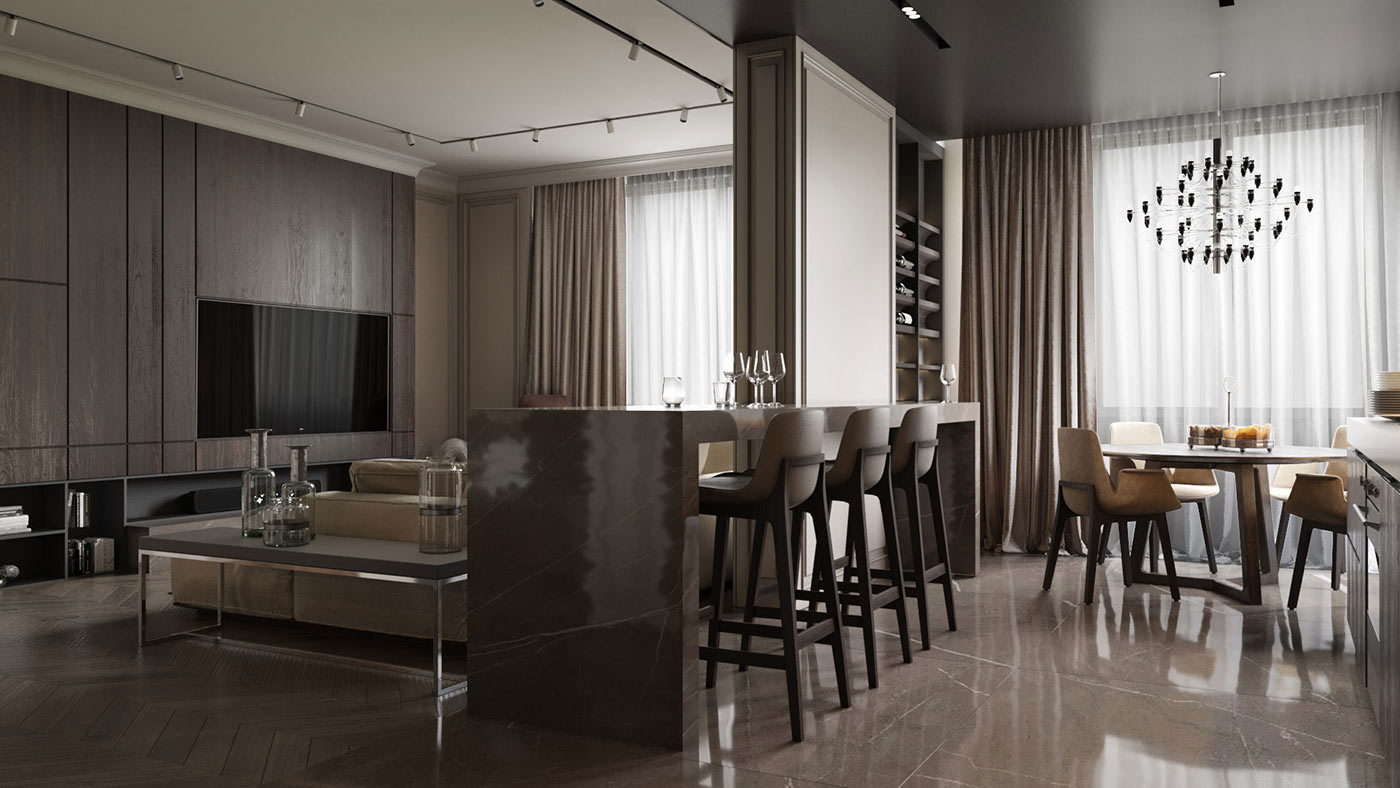
The reception lobby and executive boardroom are the visual anchors of any corporate office, setting the tone for clients and visiting stakeholders. Cladding these expansive vertical surfaces requires a material that delivers flawless visual continuity without the heavy weight, warp vulnerabilities, and extreme maintenance costs associated with solid wood or natural stone blocks.
The Engineering of Phenolic Core Panels
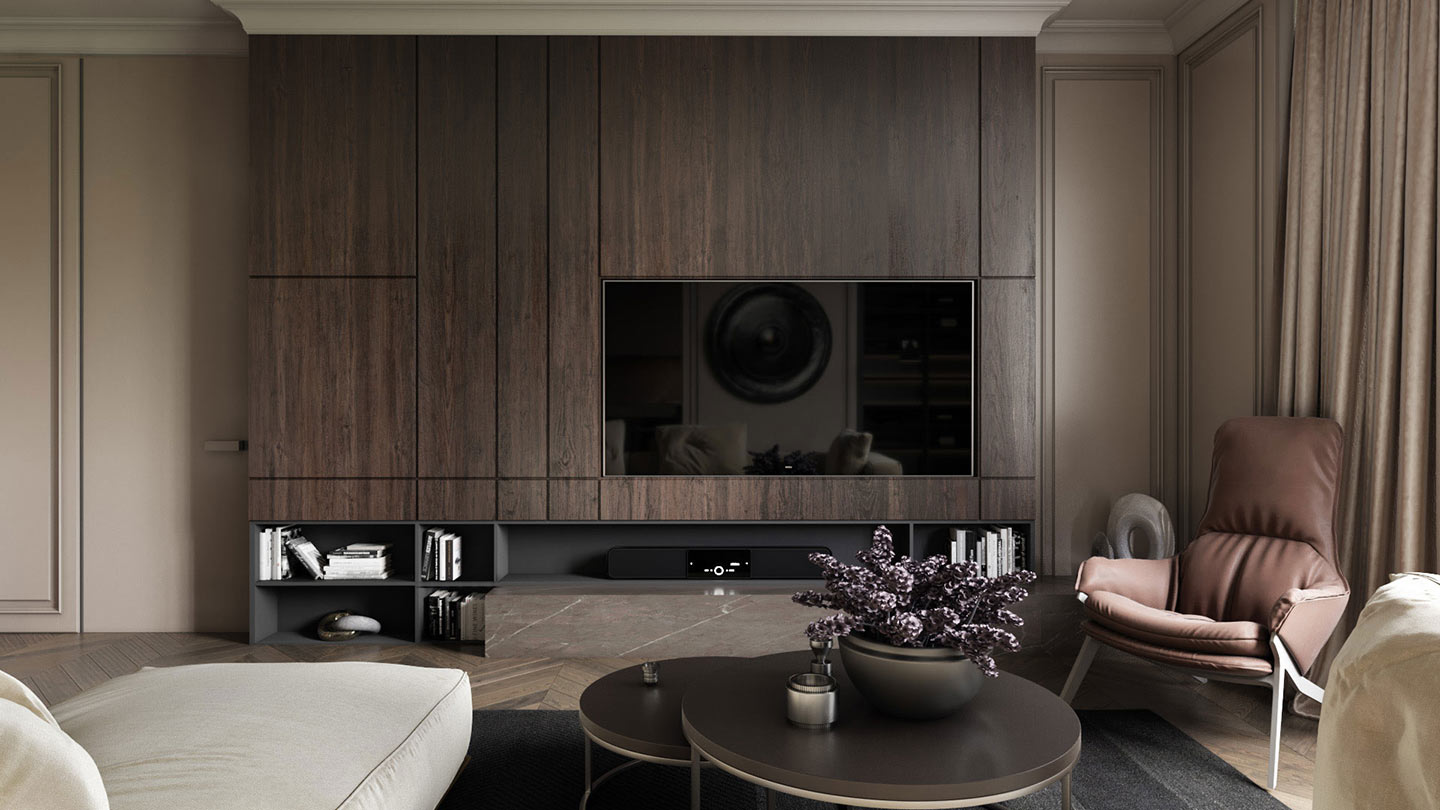
For heavy-duty vertical wall cladding and column wrapping, commercial architects specify phenolic core panel varieties or thick, self-supporting solid phenolic board. These advanced panels feature a highly stable, balanced construction that naturally resists warping, bowing, and atmospheric tension—even when specified in large, continuous floor-to-ceiling formats.
Because the panel is engineered to remain perfectly flat over time, it eliminates the uneven surfaces and buckling gaps common with traditional plywood paneling. Furthermore, these panels can be fixed using hidden architectural clipping systems, creating clean, minimalist vertical lines with beautiful, crisp shadow gaps.
Sourcing Visual Sophistication
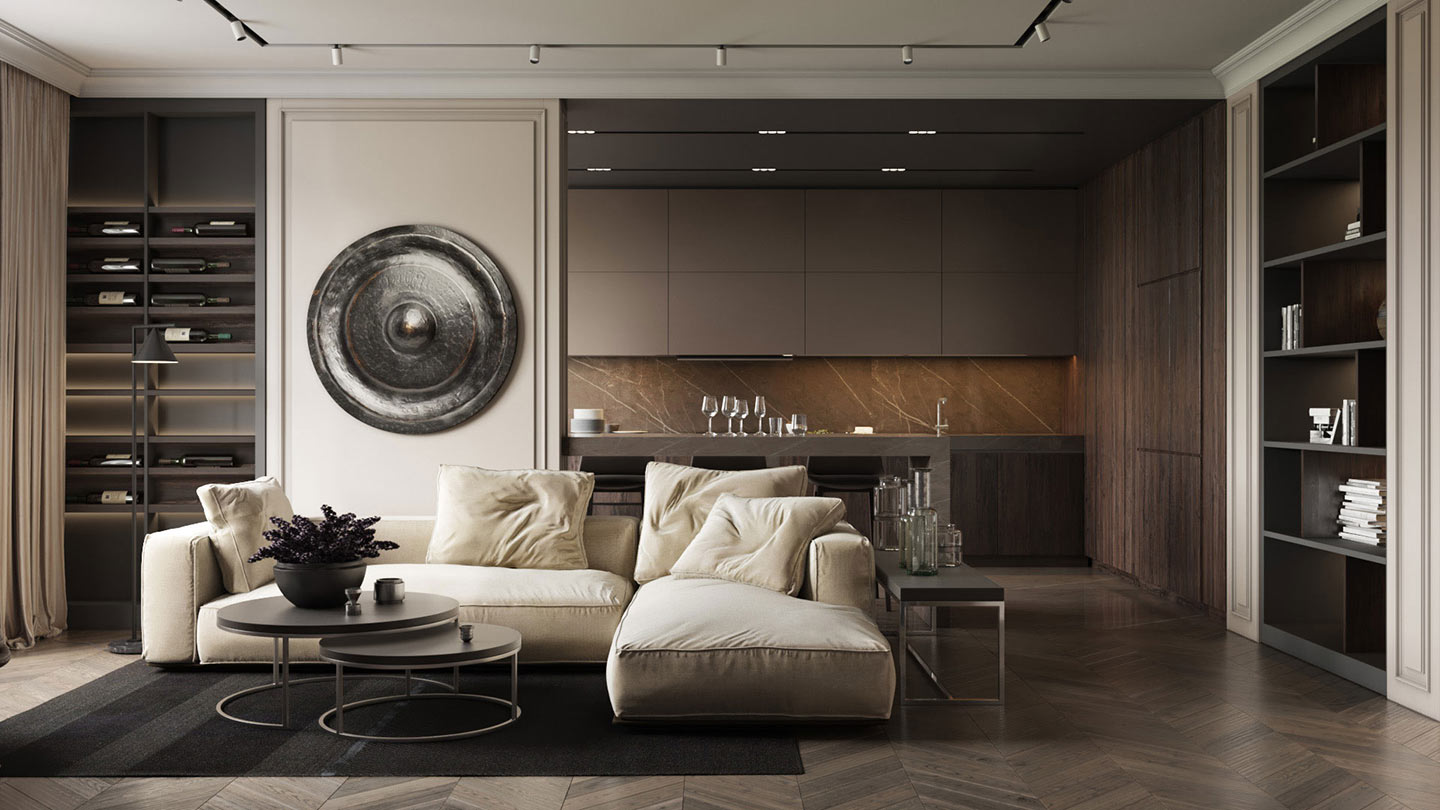
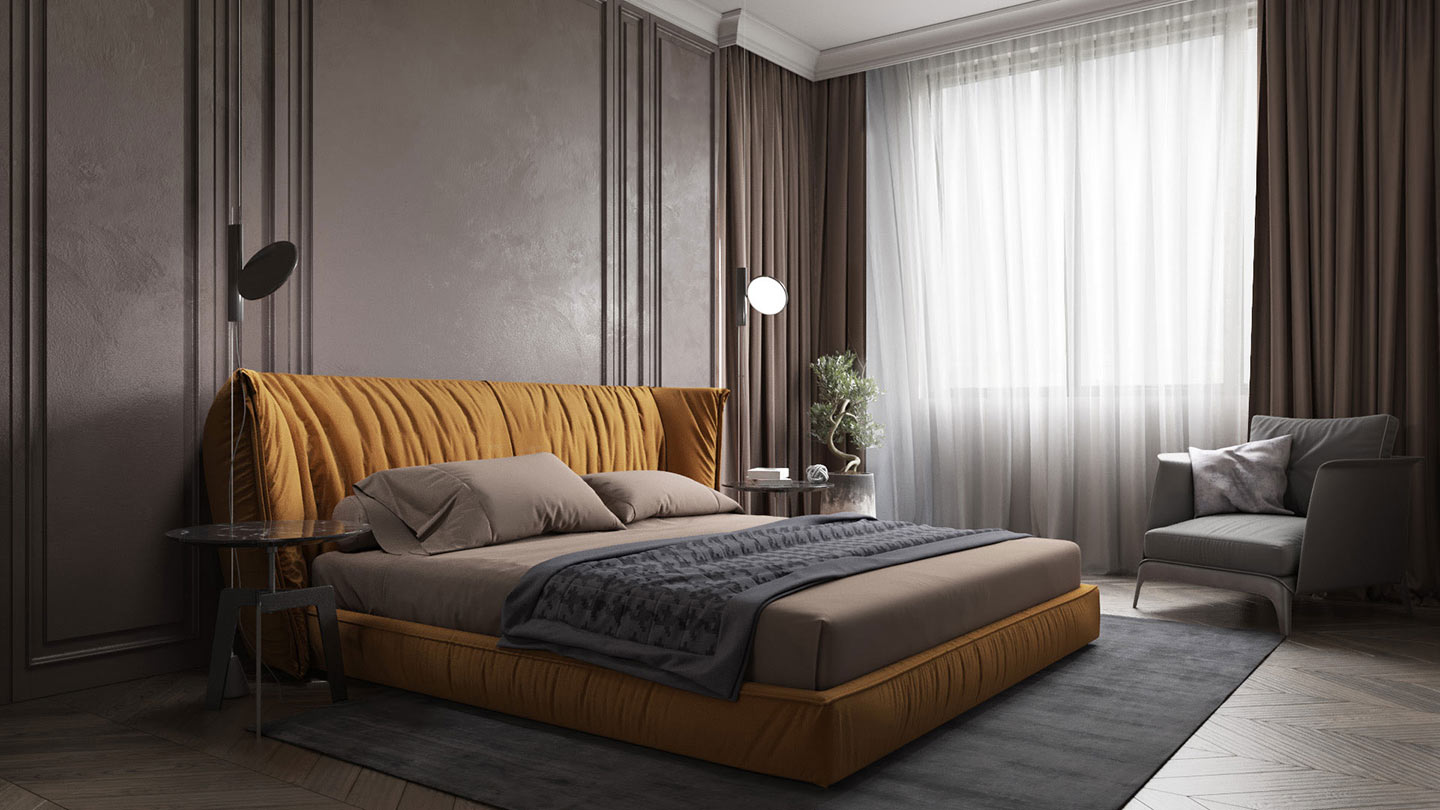
By partnering with an established laminate sheets supplier in Pakistan, design teams can access an extensive design library of over 200 variations to execute custom corporate branding concepts. Specifiers can write high-fidelity wood grain laminate Pakistan collections into the project BOQ to inject natural warmth into executive corridors, or select deep, dramatic marble finish laminate textures to create a luxury, high-end backdrop behind a reception desk without the structural reinforcement needs of genuine marble slabs.

2. Executive Desking and Workstations: Optimizing Touchpoints
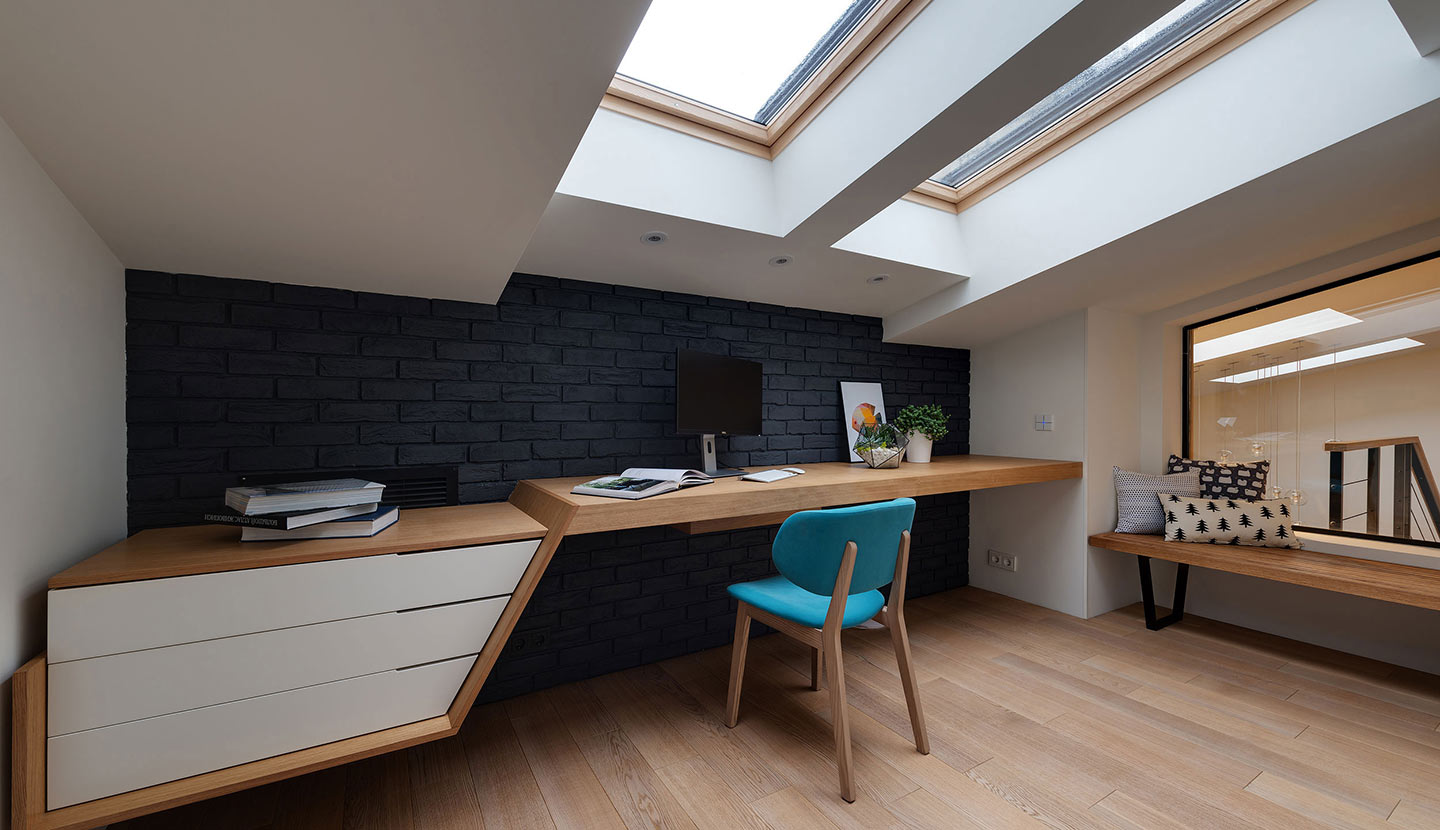
Horizontal desk surfaces in an open-plan office face constant, grueling friction from laptops, monitors, ceramic coffee mugs, and keys. Specifying a low-quality surface skin can result in unsightly micro-scratches that ruin the corporate aesthetic under bright overhead office lighting.
Moving Beyond High Gloss on Workspaces
While an ultra-sleek, reflective high gloss laminate sheet looks incredibly striking in a design render and is excellent for vertical cabinet doors or branding signage, it should never be written into a BOQ for a horizontal desk surface. High gloss finishes mirror overhead linear lights directly into the user’s eyes, causing glare, and making daily micro-scratches highly visible over time.
Prioritizing Advanced Matte Technology
For corporate desking and meeting tables, project managers should always prioritize premium, tactile matt finish HPL options or advanced soft-touch surfaces like Phenolic’s Ace Supreme or Ace Premium families. These specialized surface grades are engineered with anti-fingerprint technology, preventing oily smudges from sticking to the desk.
Additionally, they feature advanced thermal healing properties, allowing micro-abrasions from daily laptop sliding to be completely repaired on-site using a simple damp cloth and a heat iron, significantly reducing long-term furniture depreciation costs.
3. High-Performance Office Partition Boards and Cabinetry
Modern commercial offices rely heavily on modular flexibility, using internal partition systems to divide open floors into quiet zones, team huddles, and focus cabins. These partition panels must provide structural rigidity, look clean, and accept regular handling without loosening at the hardware joints.
Foundation Materials: MFC vs. MDF Substrates
To optimize a commercial fit-out budget without sacrificing surface durability, a smart project estimator will deploy both decorative HPL sheets and pre-finished substrate boards strategically:
Melamine Faced Chipboard (MFC): For non-load-bearing vertical partitions, internal cabinet carcasses, and workplace shelving units, utilizing high-quality melamine faced chipboard Pakistan stock is an exceptionally cost-effective foundation. It arrives pre-finished in the full brand design library, allowing contractors to speed up manufacturing loops significantly.
High-Pressure Laminate over MDF: For high-touch office partition panels, heavy-use storage doors, and common-area countertops, thin laminate sheets in Pakistan (0.7mm to 1.0mm) should be pressed onto a moisture-resistant medium-density fibreboard core from a trusted MDF board supplier Lahore partner. This combination delivers immense impact resistance and keeps the hardware hinges completely stable over millions of operational open-close cycles.
4. Maximizing Value: Sourcing and Procurement Guidelines
When your corporate procurement team is analyzing contract tenders, evaluating bids from a local compact laminate dealer, or tracking the fluctuating HPL sheet price in Pakistan, implement these strict structural boundaries to safeguard your investment:
Specify the Counter-Balance Backer: For any single-faced HPL desking or wall panel application, ensure the contract explicitly demands a matching backer laminate on the reverse side of the panel. This equalizes the structural pull of the decorative outer sheet, keeping the office furniture perfectly flat over long-term seasonal humidity shifts.
Enforce Verifiable Code Compliance: For high-rise commercial structures and public-access corporate plazas, always ensure your specified partitions and wall panels match the required fire rated laminate for commercial buildings parameters, utilizing flame retardant HPL that carries verified Euroclass B-s2 d0 or ASTM E-84 certifications.
Leverage Local Factory Turnaround: Sourcing your corporate office surface systems directly from Phenolic’s central manufacturing operation in Lahore gives your development agency direct access to rapid custom pressing runs, professional sample swatch box configurations, and highly competitive, factory-direct wholesale commercial rates per sheet across Lahore, Karachi, and Islamabad.