Designing Code-Compliant Public Spaces: Fire Rated Laminate for Commercial Buildings
When detailing material specifications for public-occupancy commercial projects in Pakistan—such as international airports, corporate office towers, multi-tenant shopping malls, and government facilities—aesthetic appeal is only half the battle. The primary responsibility of a project consultant or structural engineer is ensuring the building envelope strictly complies with national and international life-safety building codes.
In a structural fire, standard interior fit-out materials can act as catalysts, accelerating flame spread and producing dense, toxic smoke that compromises evacuation paths. To meet rigorous safety standards without sacrificing interior design freedom, commercial projects must transition away from conventional wood veneers and low-grade plastics, opting instead for certified flame retardant HPL and engineered fire rated laminate in Pakistan.
Here is an entry-level technical guide for corporate specifiers and project managers on how fire-rated surface systems operate, the international testing benchmarks you must write into your BOQs, and how to balance strict code compliance with premium design language.
1. The Chemistry of Resistance: How Flame Retardant HPL Works
Standard high-pressure decorative laminate naturally offers a baseline level of fire resistance because of its high density and the organic phenolic resins used in its core. However, under intense, sustained heat, standard sheets will eventually ignite and contribute to flame propagation.
A true flame retardant HPL undergoes a fundamentally different chemical manufacturing process. During production, specialized halogen-free fire-retardant chemicals are introduced directly into the resin formula used to saturate the core kraft papers.
When this engineered sheet is exposed to an open flame, these chemical additives trigger an automatic endothermic reaction. The material chemically releases bound water molecules to cool the immediate surface area, absorbs heat energy, and forms a dense, carbonaceous char layer on the outside of the panel. This char acts as a highly effective thermal shield, insulating the inner layers of the panel, cutting off the oxygen supply to the core, and dramatically delaying structural ignition.


2. Deciphering the Codes: EN 438, Euroclass, and ASTM E-84
One of the most frequent procurement errors in regional commercial projects across Lahore and Karachi is accepting a supplier’s vague marketing claim that a material is “fireproof” or “fire-resistant” without demanding third-party testing credentials. In a court of law or a strict municipal building inspection, marketing pitches mean nothing. Specifiers must look up and verify two core global testing frameworks:
The European Benchmark: EN 438 & Euroclass (EN 13501-1)
The standard classification system used for high pressure laminate Pakistan suppliers provide is the European Euroclass system. Fire-rated laminates must achieve a Euroclass B-s2 d0 or Euroclass B-s1 d0 rating. Breaking down this exact technical string reveals how the material performs under emergency conditions:
Class B (Flame Spread Index): Indicates exceptional fire retardancy. The material contributes minimally to fire growth and self-extinguishes rapidly once the external flame source is removed.
s1 / s2 (Smoke Emission): Classifies smoke density. An “s1” or “s2” rating guarantees that the material produces very little to low smoke, keeping exit signs and emergency stairwells completely visible during an evacuation.
d0 (Flaming Droplets): This is a critical metric for high-altitude wall paneling. A “d0” rating means the laminate produces zero flaming droplets or debris when exposed to fire, preventing the fire from jumping downwards onto floor finishes or escaping occupants.
The American Benchmark: ASTM E-84 (The Steiner Tunnel Test)
For commercial projects operating under American engineering frameworks, materials are evaluated via the ASTM E-84 surface burning test, which measures flame spread and smoke development inside a controlled tunnel. To be written into high-security commercial specifications, the laminate must achieve a Class A fire laminate rating. This classification requires a strict Flame Spread Index (FSI) between 0 and 25, meaning the flame moves across the material at an exceptionally slow, controlled pace.
3. Commercial Application Zones for Fire-Rated Surface Systems
To optimize your procurement budget without over-specifying, your estimation team should deploy fire-rated surfaces dynamically based on the specific occupancy risks of different building zones.
Vertical Corridors, Exit Ways, and Lift Lobbies
The most critical zones for fire-rated specifications are the designated escape routes. If a fire breaks out inside an office cabin, the corridors and elevator lobbies must remain clear of toxic smoke and excessive heat to allow safe passage. Specifying a fire resistant wall panel layout using Phenolic’s flame-retardant grade ensures that corridor walls will not fuel the fire, buying building occupants those crucial extra minutes needed to exit safely.
Public Transport Terminals and High-Occupancy Lounges
Airports, railway terminals, and mass-transit hubs experience dense public foot traffic and are highly scrutinized by civil defense authorities. Utilizing certified fire-rated paneling across retail storefront boundaries, baggage claim backdrops, and check-in desk housings satisfies international aviation security parameters while maintaining heavy-duty wear resistance against luggage impacts.
Institutional Classrooms and Healthcare Facilities
Schools, universities, and hospitals feature vulnerable populations where evacuation times are naturally slower. Writing flame-retardant HPL into the BOQ for a hospital wall cladding material or a school furniture board Pakistan project guarantees that the daily learning and healing environments pass local municipal safety compliance codes seamlessly from day one.
4. Balancing Safety with High-End Architectural Aesthetics
Historically, specifying fire-rated materials meant accepting compromised design aesthetics—architects were often forced to choose between a safe material or a luxury finish. Modern manufacturing technology completely eliminates this compromise.
Because the fire-retardant chemical shield is integrated entirely within the hidden core kraft layers and the inner resin matrix, the top decorative layer remains completely unaffected. When working with an established laminate sheets supplier in Pakistan, you can access the exact same expansive visual library as standard decorative sheets.
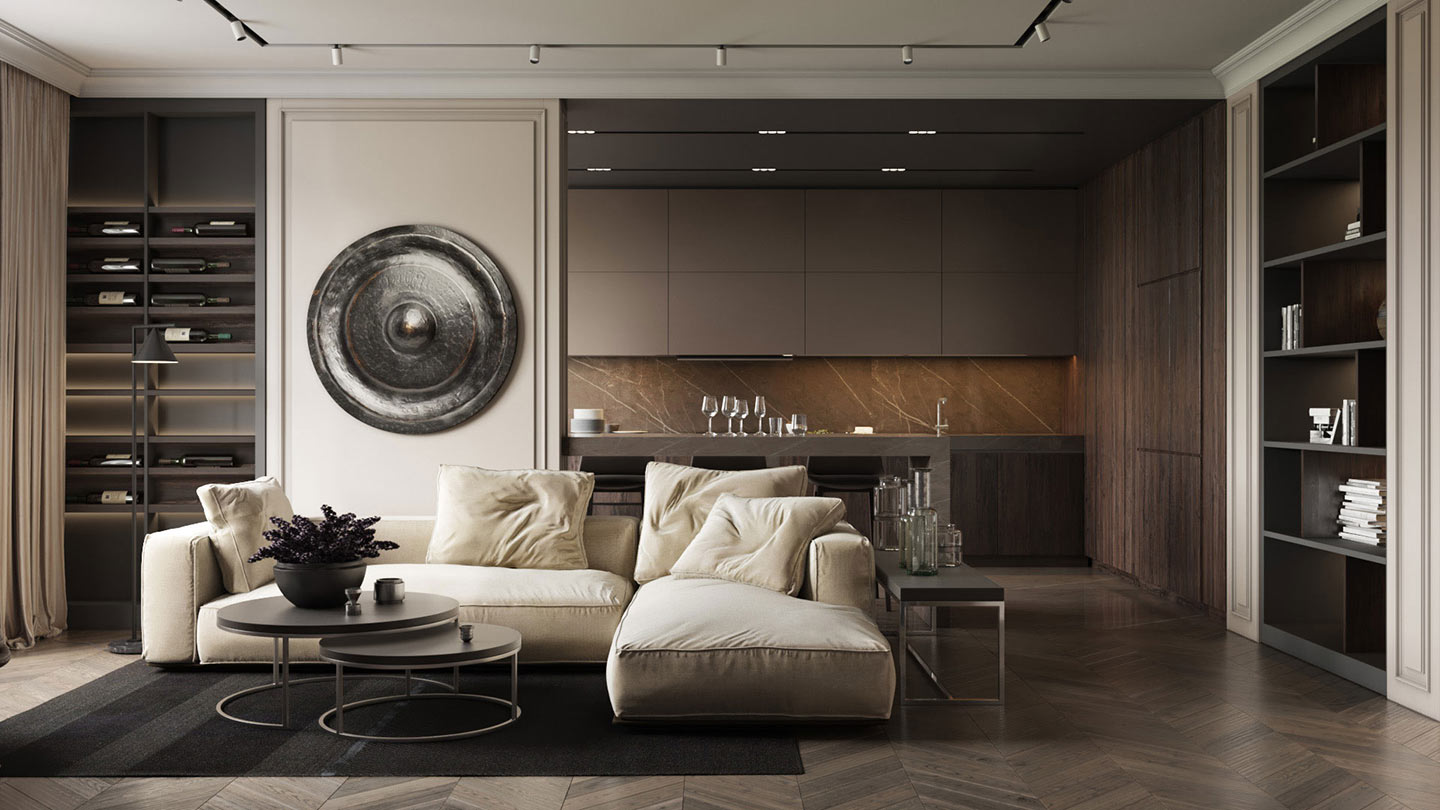
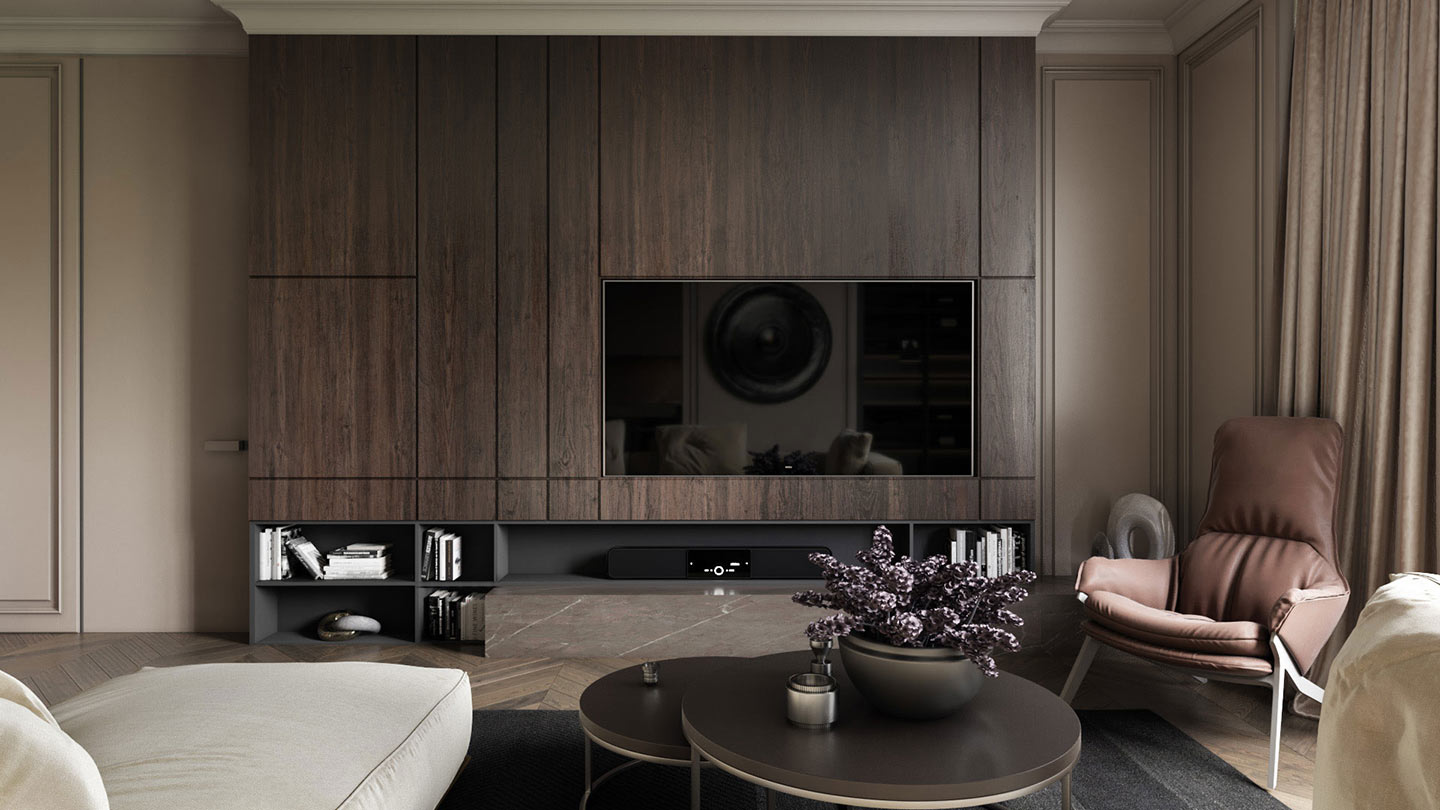
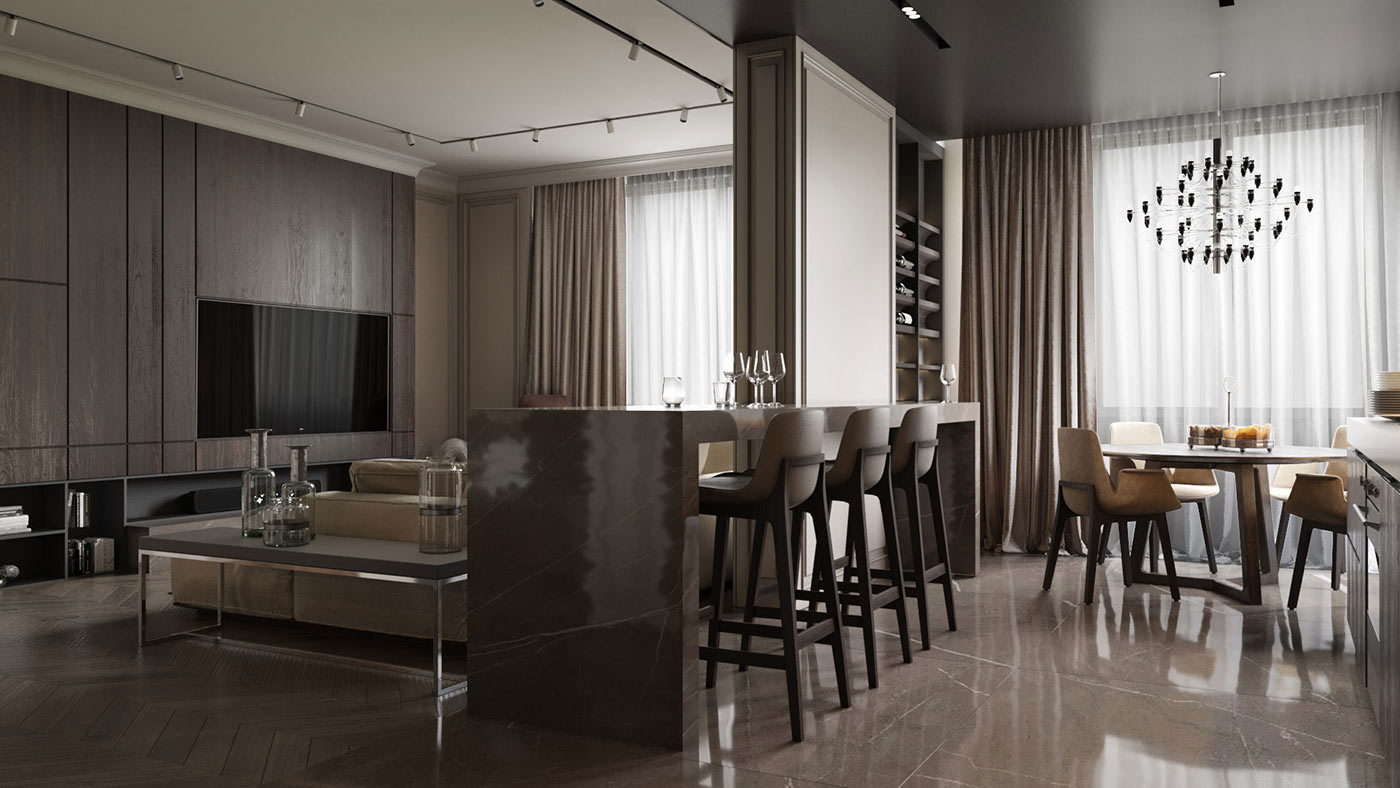
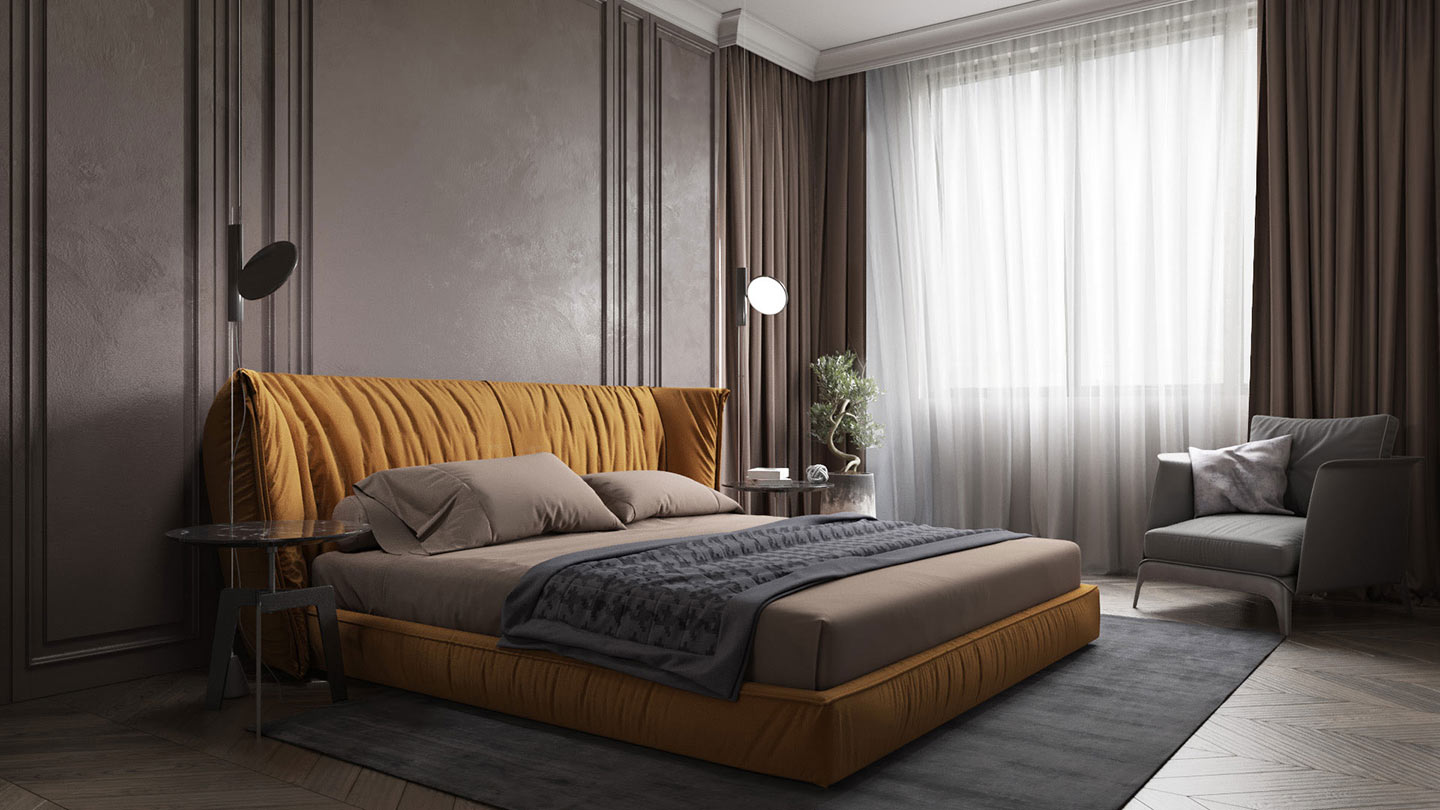
This means a commercial project can feature premium wood grain laminate Pakistan paneling down an entire executive corridor, sophisticated marble finish laminate textures across a luxury hotel reception lobby, or minimalist matt finish HPL surfaces on thousands of corporate workstations while maintaining full, certified Euroclass or ASTM Class A compliance behind the scenes.
5. Engineering Summary for Corporate Procurement Teams
When coordinating contract documents or tracking the commercial HPL sheet price in Pakistan for specialized projects, your procurement team should enforce these strict material guidelines:
Demand Verifiable Certifications: Never accept a generic invoice. Ensure the supplier provides verified test sheets explicitly stating compliance with EN 438-4, Euroclass B-s2 d0, or ASTM E-84 Class A.
Specify the Structural Core Type: For wall cladding applications, ensure the fire-rated laminate sheet is cold-pressed onto an appropriately matched, fire-rated core or specified as a solid, self-supporting compact panel to preserve the entire system’s fire rating.
Leverage Factory-Direct Quality: Procuring your specialized safety grades directly from Phenolic’s central manufacturing base in Lahore gives your project consultants direct access to comprehensive technical dossiers, rapid sample swatch verification, and highly predictable wholesale pricing curves across Lahore, Karachi, and Islamabad.