Why Modern Hospitals Require Specialized Anti-Bacterial Hygienic Laminates
In healthcare architecture, every interior surface is a critical frontline defense in infection control. Medical facilities, clinical laboratories, and hospital operating theatres undergo rigorous, around-the-clock chemical sterilization. Standard decorative finishes or wood-based panels are completely unsuited for these high-stakes environments—they easily crack under harsh chemical washes, absorb ambient moisture, and possess microscopic surface pores where dangerous pathogens can harbor and multiply.
To satisfy municipal healthcare building codes and ensure maximum patient safety, project consultants and clinical specifiers must transition away from generic commercial surfaces. The baseline global requirement for medical design now demands certified antibacterial laminate and high-performance healthcare wall panels Pakistan medical boards.
Here is an entry-level technical guide for hospital procurement teams and healthcare consultants on how specialized antimicrobial surfaces operate, the international hygiene standards required for compliance, and how to structure these systems into a medical facility’s bill of quantities (BOQ).
1. The Science of Active Hygiene: How Anti-Bacterial HPL Operates
One of the most common misconceptions among local builders tracking the general HPL sheet price in Pakistan is that a standard slick laminate surface is naturally hygienic simply because it can be wiped down easily. While standard high-pressure laminate is highly dense and non-porous, it remains passive—it can still support the active replication of bacteria, fungi, and molds between cleaning intervals.
A true, certified antibacterial laminate features active biocidal agents integrated directly into the polyurethane or melamine resin matrix during the high-heat thermal press process. These antimicrobial compounds are distributed uniformly throughout the entire wear layer of the sheet.
When a microscopic bacterium lands on the engineered surface, the active agents immediately disrupt the cellular wall of the pathogen. This stops the cell’s metabolic process, rendering it incapable of replicating or digesting nutrients.
Because this chemical shield is infused directly into the structural resin matrix rather than applied as a post-production spray or topical coating, the protection is permanent. It cannot be washed off, worn away by abrasive scouring pads, or neutralized by aggressive daily exposure to concentrated hospital-grade chemical disinfectants.

2. Technical Standards for Medical Compliance: ISO 22196 & JIS Z 2801
When reviewing material submittals from a local laminate sheets supplier in Pakistan for a healthcare project, project consultants must enforce strict, third-party compliance verification. In hygiene-critical zones like intensive care units (ICUs) and neonatal wards, vague marketing descriptions are completely unacceptable. Your specification dossiers must explicitly demand two global testing certifications:
ISO 22196 (Measurement of Antibacterial Activity)
This is the international benchmark testing standard used to evaluate the antimicrobial performance of non-porous plastics and laminates. To pass this evaluation, the material surface is inoculated with active cultures of aggressive bacteria—such as Staphylococcus aureus (Staph) and Escherichia coli (E. coli).
The material must demonstrate an antibacterial efficacy rating exceeding 99.9% over a 24-hour testing period. This rapid, measurable destruction of microbial cells drastically lowers the risk of surface-to-human cross-contamination.
JIS Z 2801 (Japanese Industrial Standard for Antimicrobial Efficacy)
Frequently specified alongside ISO standards in major institutional tenders, this testing framework evaluates the material’s ability to inhibit microbial cell reproduction under optimal incubation conditions.
Achieving a high value under this test confirms that the laminate maintains an environment where dangerous healthcare-associated infections (HAIs) cannot colonize the surface, ensuring the patient zone remains naturally sterile between active janitorial cleaning cycles.
3. High-Risk Zones for Hygienic Panel Deployment
To maximize the efficiency of your procurement budget without compromising clinical safety, your healthcare facility engineering team should specify hygienic laminate for hospitals dynamically across the layout’s primary risk zones:
Operating Theatres and Sterile Envelopes
Operating rooms and surgical preparation suites require an absolute seal against airborne and surface-bound contaminants. Specifying solid, high-density hospital wall cladding material utilizing Phenolic’s anti-bacterial compact boards creates a completely seamless, sterile vertical wall envelope. Because these solid panels can be machined to fit flush with medical air-filtration vents and airtight stainless steel door frames, they eliminate dirt-catching ledge corners entirely.
Patient Wards, Reception Counters, and Nurse Stations
Nurse stations and patient room bedside cabinets represent the highest physical touchpoints for staff, patients, and visitors alike. Finishing these heavy-use joinery pieces with Phenolic’s decorative anti-bacterial range—such as our premium matt finish HPL options or advanced soft-touch surfaces—provides round-the-clock surface protection while offering a calm, premium architectural aesthetic that aids patient recovery.
Clinical Cleanrooms and Laboratory Furnitures
Pathological testing laboratories, pharmacies, and blood banks handle volatile organic fluids and aggressive chemical reagents daily. Writing antimicrobial compact panels into the BOQ for lab furniture laminate workspaces ensures the countertops withstand intense scrubbing with bleach and isopropyl alcohol without staining or eroding, maintaining a perfectly sterile environment for diagnostic processing.
4. Balancing Clinical Compliance with Healing Aesthetics
Historically, designing a sterile clinical environment meant accepting cold, institutional, and stark white spaces that felt uninviting to patients. Modern industrial manufacturing has completely eliminated this design constraint.
Because the active antimicrobial shield is integrated entirely within the microscopic molecular resin structure of the wear overlay, the visual decorative print sheet remains completely untouched. When source-coordinating with an authorized compact laminate dealer, medical architects can tap into Phenolic’s expansive design library of over 200 variations.
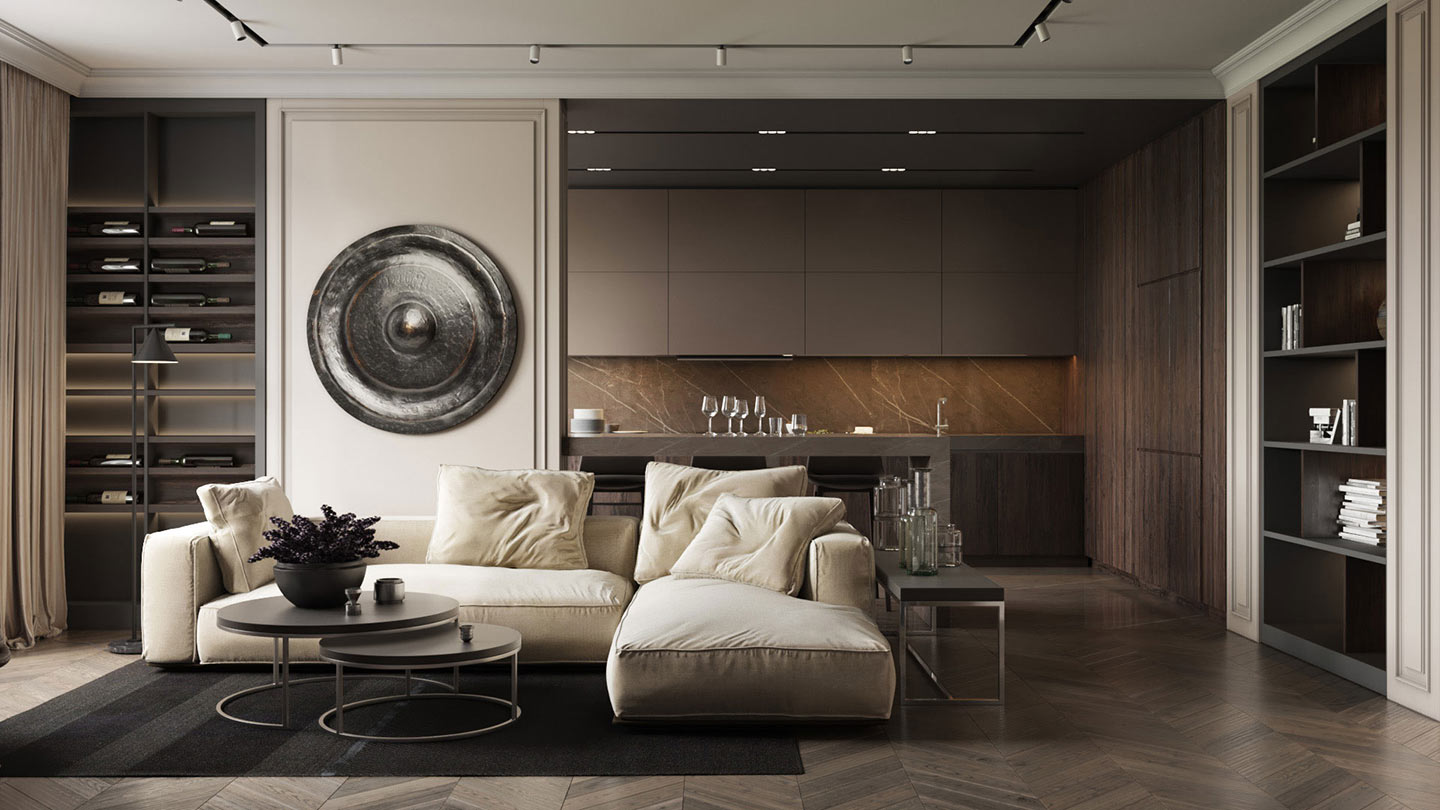
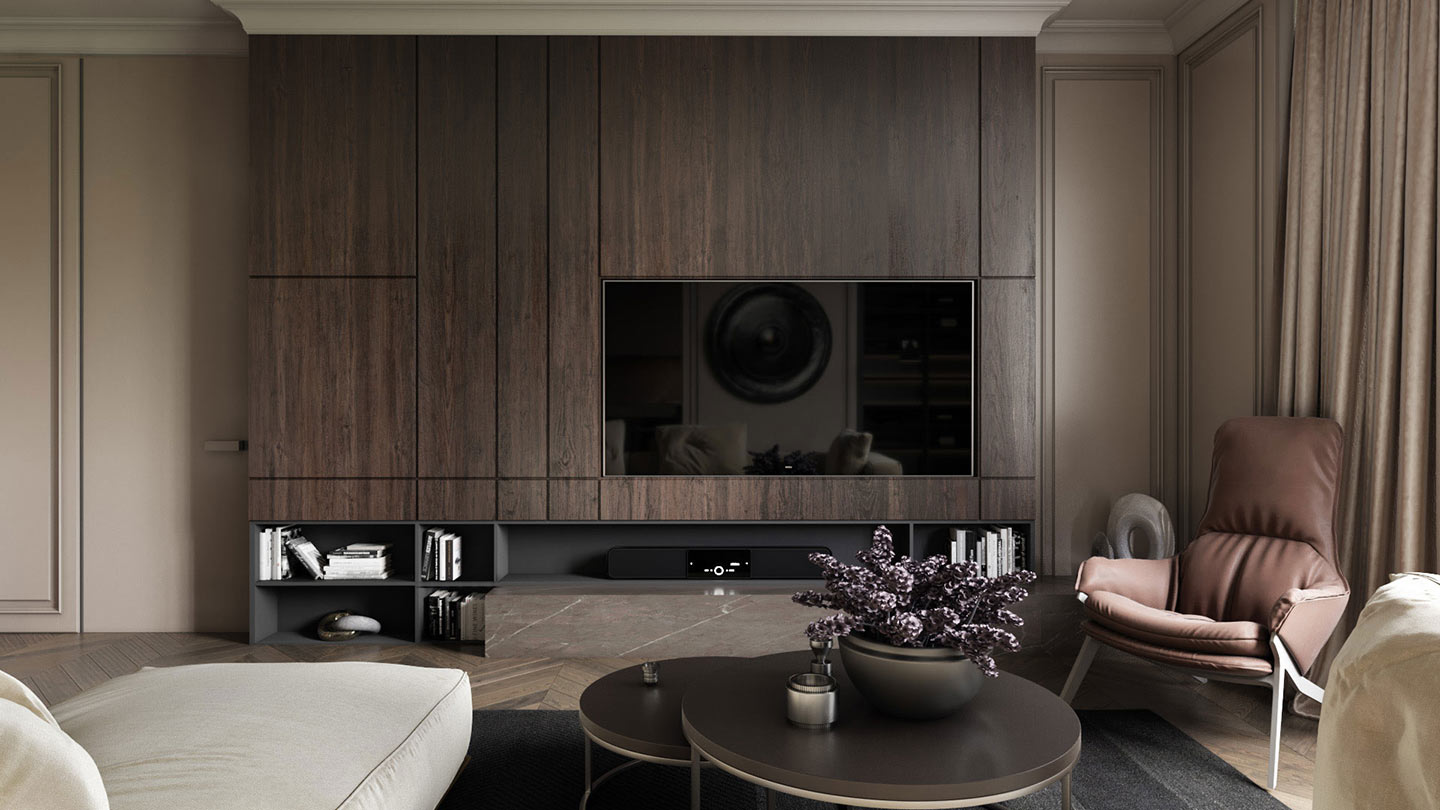
This allows healthcare projects to feature warm, soothing wood grain laminate Pakistan paneling down long geriatric corridors, elegant marble finish laminate textures across private VIP ward reception lobbies, or clean, solid architectural colors across emergency department check-in booths—all while delivering full, certified ISO 22196 antibacterial protection behind the scenes.
5. Summary Sourcing Guidelines for Healthcare Sourcing Teams
When your procurement engineers are finalizing bulk supply contracts or tracking specialized factory quotes based on the current HPL sheet rate in Lahore, enforce these strict technical parameters:
Specify by Certified Brand Name: Ensure all tender invoices explicitly state “ISO 22196 Certified Anti-Bacterial Grade HPL” rather than generic high-pressure laminates to secure legal and clinical safety compliance.
Verify Core Chemical Safety: Ensure your specified hygienic laminate utilizes halogen-free, non-toxic fire-retardant core resins so that the panels do not release toxic chemical gases in an emergency event.
Leverage Local Factory Quality Control: Sourcing your medical-grade surfaces directly from Phenolic’s central manufacturing base in Lahore gives your project consultants direct access to comprehensive technical testing dossiers, customized panel pressing runs, and highly stable wholesale pricing packages across Lahore, Karachi, and Islamabad.